If we look at the Philippines it doesn’t seem to be that successful either.
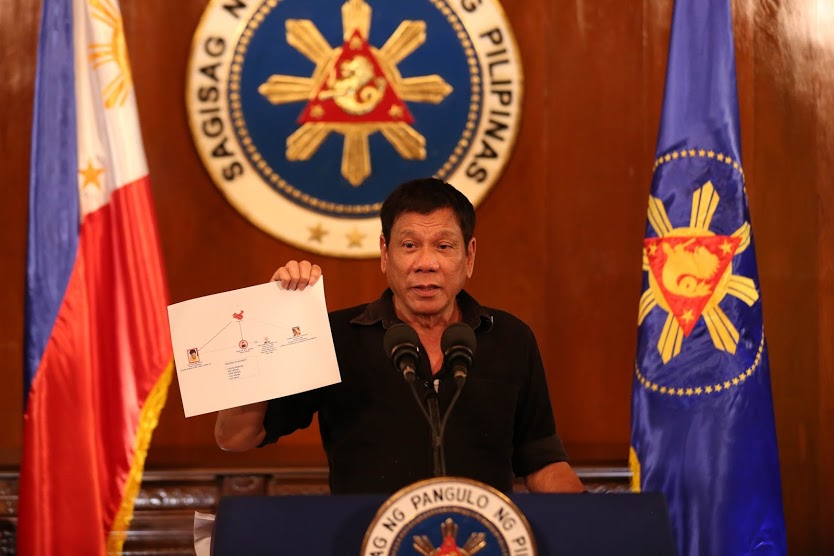
Well, I believe the situation in the Philippines under President Duterte was different. His anti-drug campaign has often been compared to Indonesia's "Petrus" operations during the Suharto era. Both campaigns shared certain characteristics, including allegations of killings, torture, and other human rights abuses carried out without due process, trial.
However, their objectives were different. Suharto's campaign was directed against alleged communists, with some critics arguing that the Communist Party was used as a scapegoat and systematically eliminated. Duterte's campaign, on the other hand, was aimed at drug traffickers and criminal organisations involved in the illegal drug trade and killings sometimes in the battle without trial.
It is also important to note that Duterte openly promised a tough crackdown on drug-related crime during his presidential campaign. Since he was elected with strong public support, many Filipinos viewed his anti-drug policies favorably. Also, arguable he is successful:
"The campaign reduced the proliferation of illegal drugs in the country, but has been marred by extrajudicial killings allegedly perpetrated by the police and unknown assailants."

en.wikipedia.org
Another major difference is the scale: Suharto's actions reportedly resulted in the deaths of millions, whereas Duterte's campaign resulted in thousands of deaths.
He faced legal scrutiny from the International Criminal Court (ICC). The ICC's position is that many of those killed were deprived of due process and were allegedly eliminated without trial.
Also remember of the role of Human rights organisations such as Amnesty International which persistently advocating the abolition of the death penalty. Their efforts have influenced international discussions on the issue as they have a lot of resources to campaign the abolition of the death penalty.
Some observers argue that China has handled corruption and serious crime differently by prosecuting suspects through formal legal proceedings and imposing severe penalties, including the death penalty in certain cases. People often cite former Chinese Premier Zhu Rongji, who reportedly declared upon taking office in 1998 that officials should
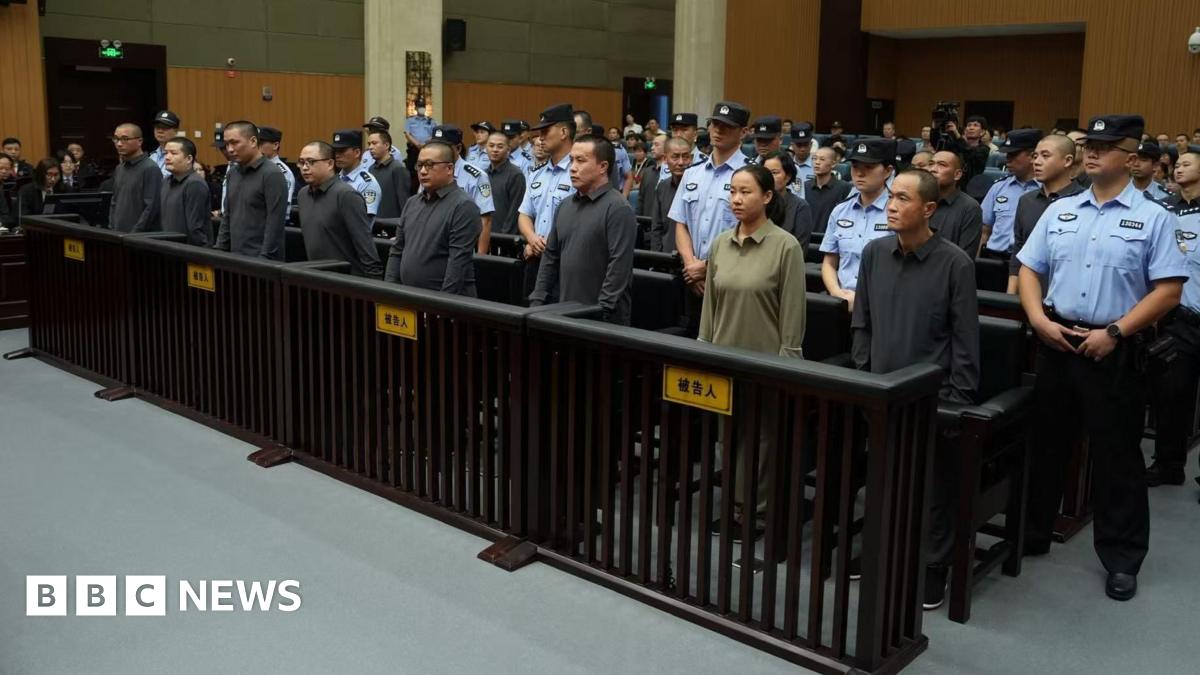
"prepare 100 coffins: 99 for corrupt officials, and one for himself if he was found corrupt," presenting himself as willing to be held to the same standard, e.g leading by example. Almost remember what they did recently with cracking down the scam, casino, human trafficking mafia sponsored by Chinese gang operating in Myammar, Cambodia, etc. They were tried in court and sentenced to death penalty. Is it not successful ?? At least for the time being. Certainly, it still exists as they can not do anything it if they are Myanmar, Cambodian citizens operating in those countries and arguably sponsored by the states, military.
China executes 11 members of the Ming family that ran scam centres in Myanmar, state media report.

www.bbc.co.uk
China was once ranked similarly to Indonesia on CPI during the Suharto era. Supporters of China's approach point to its subsequent improvements as evidence that strong anti-corruption policies can be effective. At the same time, there remain many international organisations and activists who continue to campaign for the abolition of the death penalty worldwide.
In Indonesia, major challenge is that major institutions within the trias politica, the legislative, executive, and judicial branches generally oppose the expansion of the death penalty. The same with asset confiscation laws, it has been repeatedly delayed for obvious reason.
If a referendum were held on imposing the death penalty for severe corruption cases in Indonesia, a majority of Indonesians would support it. Initial evidence could be seen in public sentiment expressed on social media and in public discussions as an indication of such support.