Those who against the death penalty for heavy corruption in Indonesia, especially those international NGOs who do not understand the reality in the ground for the country like Indonesia; They should watch this real episode happen in Baturiti, Tabanan, Bali. This is not an isolated incident. Similar cases have occurred multiple times across Indonesia, where people have been subjected to severe punishment, often killed by the mob for stealing relatively low-value items such as chickens, motorcycles, or other petty property.
View attachment 5719
Chicken thief killed by mob, his little daughter cries hysterically when father's body arrives at funeral home.
https://www.instagram.com/reel/DbSfY7vyFm_/
Warning: This instagram clip might be too emotional for some viewers
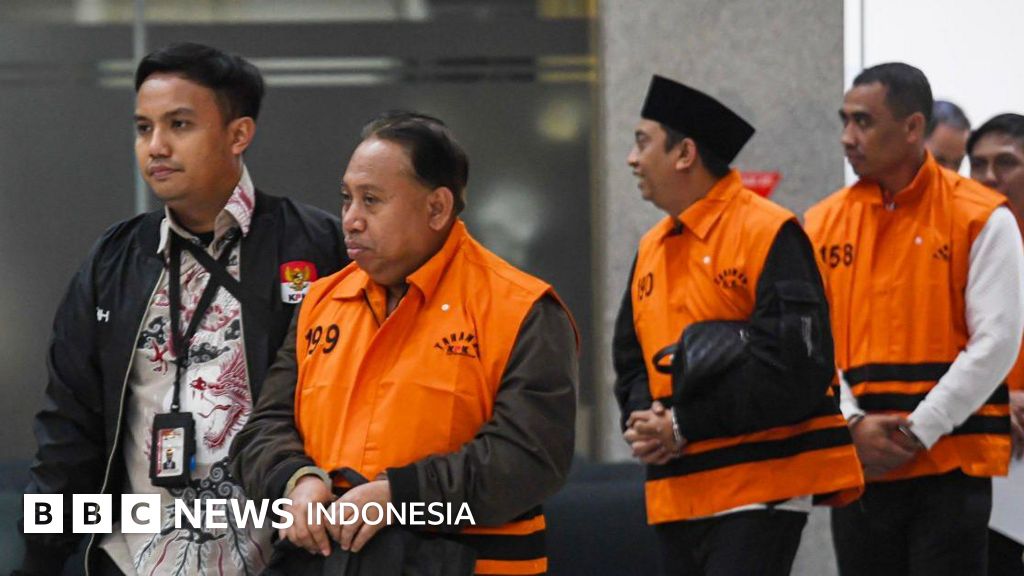
This is not to justify a thief, but compare that with the case of Deputy Chief of the State Prosecutor Febrie Adriansyah who were detained for Corruption and Money Laundry allegation. It was reported nearly half a trillion rupiah of cash and 74 kg of gold bars, were found in the properties linked to him, yet he was not even handcuffed and wear the orange detainee vest during his arrest. Eager to watch the next episode of this orchestrated drama.
Download aplikasi berita TribunX di Play Store atau App Store untuk dapatkan pengalaman baruTRIBUN-MEDAN.COM - Mantan Jaksa Agung Muda Tindak Pidana Khusus (...

www.youtube.com

stiestekom.ac.id
The father (KD) of this little girl was almost certainly the family's breadwinner and may have resorted to stealing simply to provide for his family's basic needs. In contrast, the children of people such as Febrie Ardiansyah (If convicted) or other major corruption suspects in Indonesia may inherit enough wealth to support several generations.
It is also not uncommon for those convicted of large-scale corruption to serve only a fraction of their prison sentences, sometimes as little as one-third. There have also been longstanding public concerns that some well-connected inmates receive preferential treatment, allowing them to spend much of their sentence under conditions that are far less restrictive such as spent on their own home, than those faced by ordinary prisoners.
Unlike many developing countries, Indonesia is richly endowed with natural resources, including oil and gas, minerals, forests, marine resources, and vast areas of fertile agricultural land. It is the large-scale corruption has deprived many Indonesians of the benefits of this wealth. As a result, people like KD, the father of this little girl, may feel driven to steal simply to provide for their family's basic needs, with some ultimately becoming victims of mob.
Is this justice ????






 Are you on a personal crusade to have all these people shot or hanged?