Still wild to see that 57% of Indonesian households still burn their waste. Thats officially classified as improper handling by the Ministry of Health, same category as dumping into rivers or drains
To burn household garbage, people would need to do it near their homes. This directly affects their own and their family’s health, so they may choose to burn waste more selectively and with greater caution.
By contrast, dumping waste into a river has little immediate impact on them aside from transportation costs. Also not every household has access to a nearby river.
If you go to a remote village, you’ll see how people deal with their garbage. Most of the time, they just dig a pit in the backyard, throw all their household waste in there, and once it’s full, they burn it, cover it with dirt, and then dig a new one. In the absent of regularly serviced garbage collection point, this will be a better alternative for villagers then dumping it into the river.
I know many people do not like when their neighbor burn their garbage in front of their houses, dumping by the road side, river they pass everyday. I also do not like it

.
But really, what else are they supposed to do if there’s no garbage truck or waste facility around? Whose job is it anyway to provide proper trash collection and processing? In the city, few people might burn their rubbish to avoid paying fees. But keep in mind, there are also some people forced to do that because the banjar won’t collect their trash as they haven’t paid certain “donations” (basically an excuse for illegal fees), like the Ogoh-Ogoh fund, which often has a minimum set at around Rp1 million. The people will stop burning their garbage and/or dump it into the river if the other alternatives are cheaper and could save their time. Also remember for some local people paying Rp100k a month might be a lot of money. If the local government could provide regularly serviced collection point where people could dump their household garbage for free, these people will stop dumping their garbage into the river or burn it in front of your house.
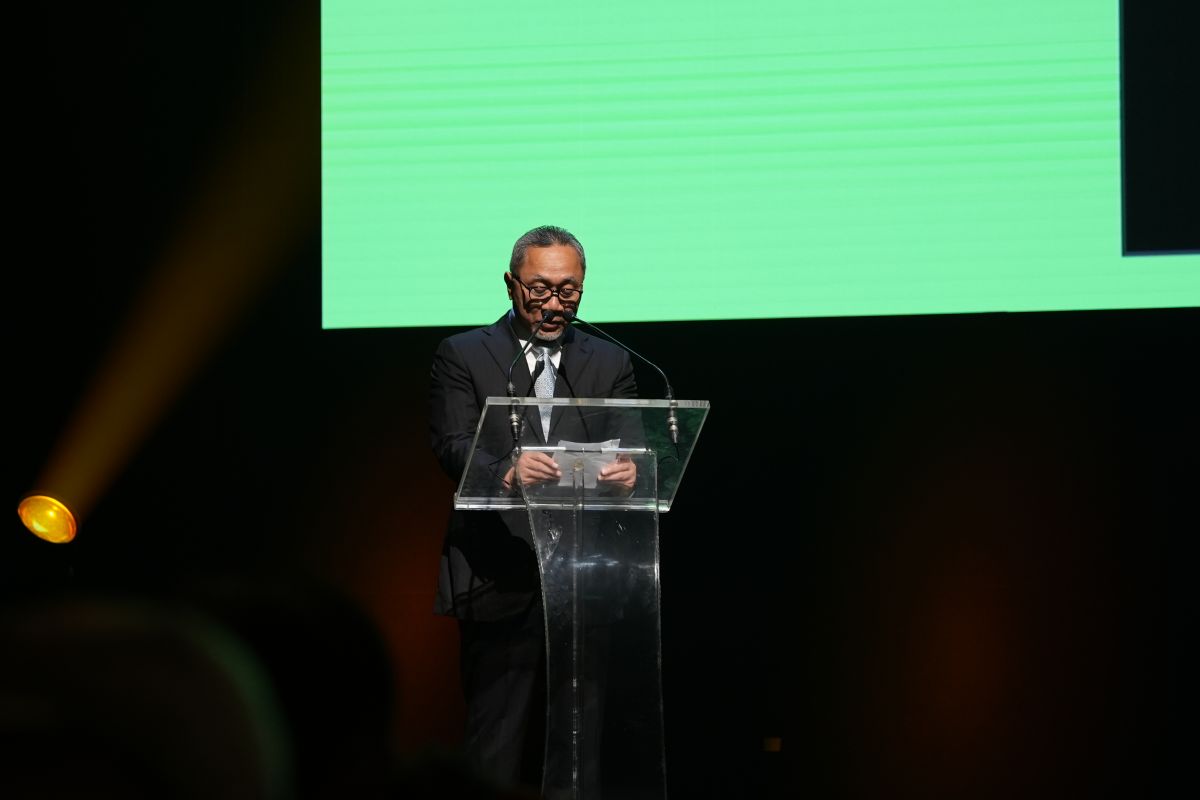
From earlier posts, the main problem is the lack of waste processing facilities and collection points. Some local governments have already acknowledged this issue. Even the world’s top environmental experts would struggle to solve it without expanding waste processing capacity. The only person who might be able to achieve this within two years is Minister Zulkifli Hasan (see post #109). However, he is widely regarded as unreliable, often making false or misleading statements. Typically, when local governments are embarrassed by media exposure such as when trash piles up in markets, rivers, or along roads, they simply redirect resources and services from other areas to address the highlighted problem, leaving the rest neglected.