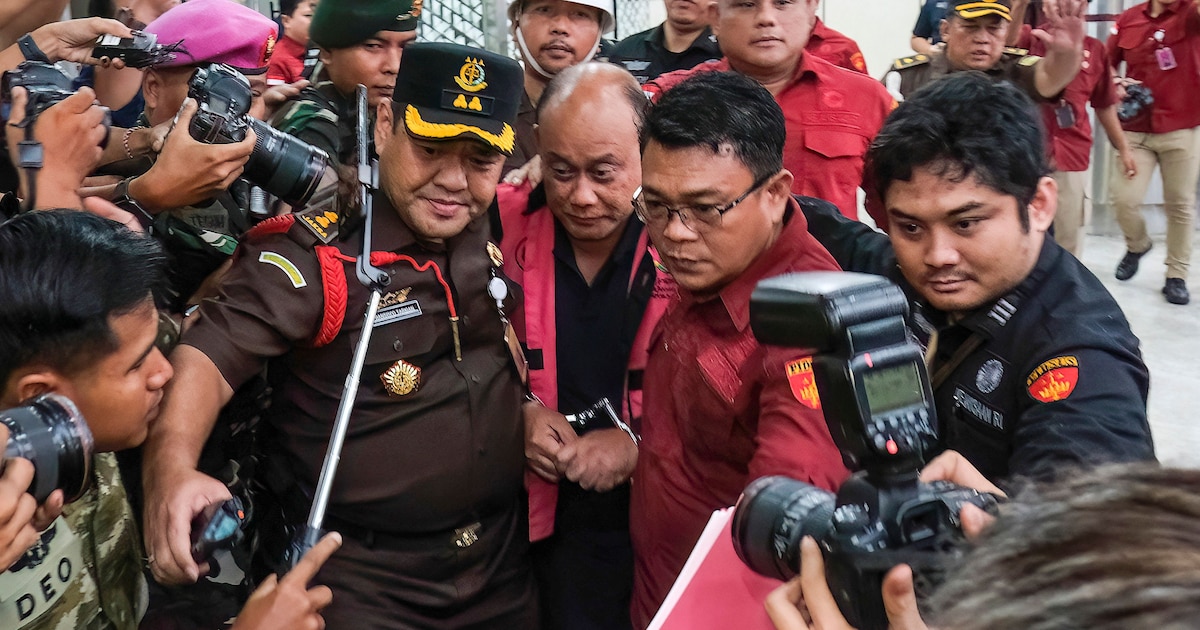
Poor guy IF he is found guilty, probably has to live in a VIP style jail, with only 1PK Air conditioned room, a small Karaoke room and a living room and after 2-3 weeks, move into an apartment near the jail before finally move into 'house arrest' status, and have his assistant wears the ankle bracelet instead.
This is just one of many examples showing why, in my opinion, many international NGOs that oppose the death penalty for severe corruption in Indonesia do not fully understand the situation on the ground. They often look at examples from their own countries, but those experiences may not be relevant to a country where corruption has become deeply rooted and widespread.
A few more points:
A convicted corrupt official will likely appeal all the way to the Supreme Court. The process can drag on for years. During that time, the question is whether judges are willing to take the risk of accepting bribes in such a high-profile case and under the public attention. Even if they are cautious, there is still a chance that the sentence could be reduced significantly.
And even if the person ends up in prison, there is no guarantee they will serve the full sentence in prison. They might just serve the jail term as described by
@Banana72 . After serving part of their term, they may become eligible for parole. Once the case is no longer attracting public attention, they could be released much earlier than expected.
That's why I don't think an asset confiscation law alone would be effective in Indonesia. People with enormous amounts of money and influence can still find ways to affect legal outcomes. Indonesia already applies the death penalty to major drug trafficking cases, so extending it to severe corruption would not be a huge leap. The bigger issue is that Parliament has repeatedly rejected such proposals, for reasons that are fairly obvious. Even for assets confiscation law for corruption the parliament still keep delaying it. Also apparently for obvious reason.
Many people point to China as an example, arguing that the death penalty for severe corruption has helped deter major corruption cases there.